integraPower Projects

Application gallery

Energy in operation.

Explore how solar, storage and vehicle charging could serve the daily work of Australian venues.

18 AI-generated scenarios · Projects in planning

Six scenarios

Shopping centres

Compare common-area demand, tenant refrigeration and delivery-vehicle charging across a trading day.

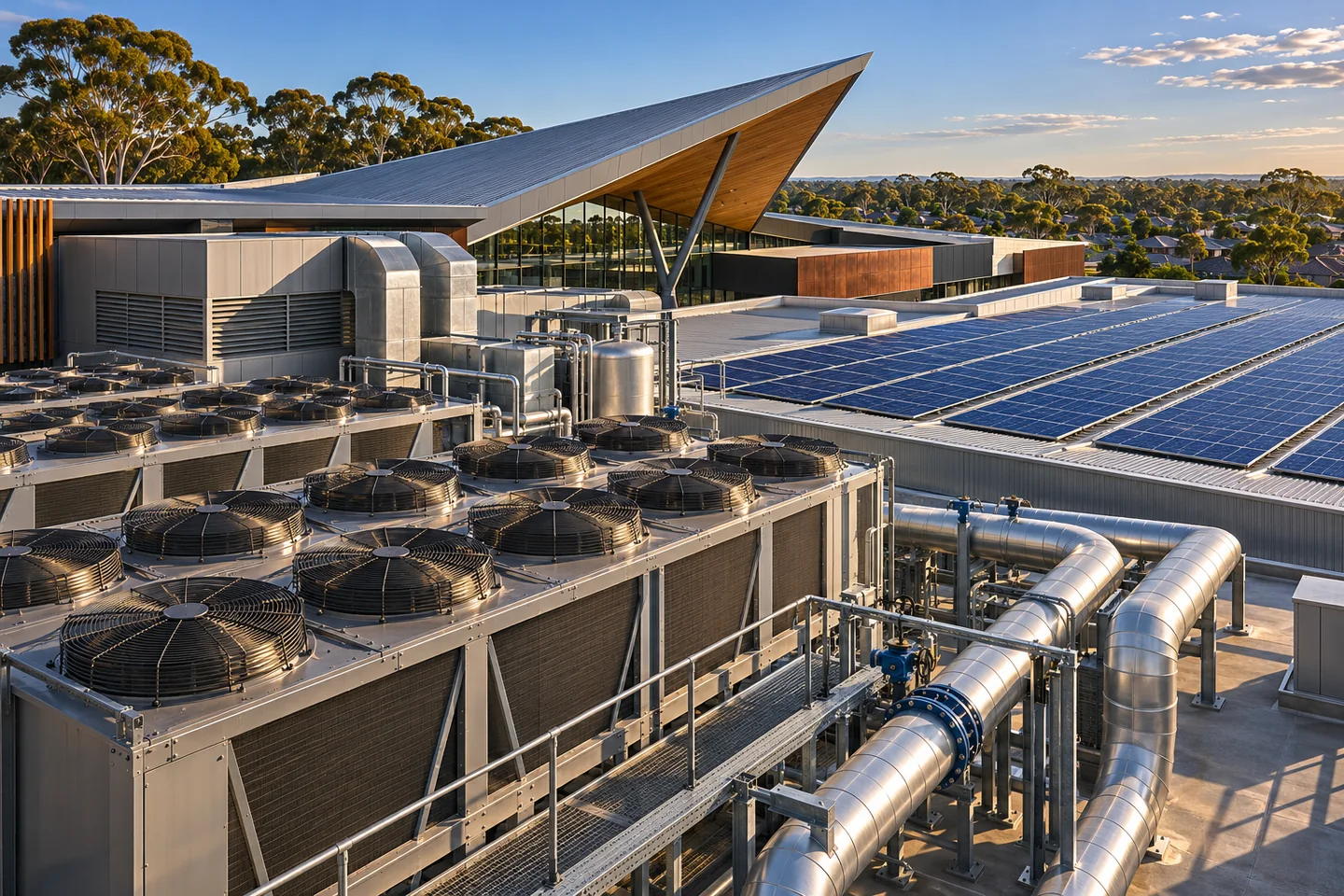
Rooftop air-conditioning plant beside a photovoltaic array at a retail venue.

Afternoon cooling demand

On a warm trading day, cooling demand can persist as the afternoon’s solar output starts to fall.

Site assessment

Compare the air-conditioning schedule with generation and interval meter data. The overlap helps identify which hours the roof array could serve directly.

Does the centre reach its highest demand during trading, or later as the building releases heat?
Related equipment

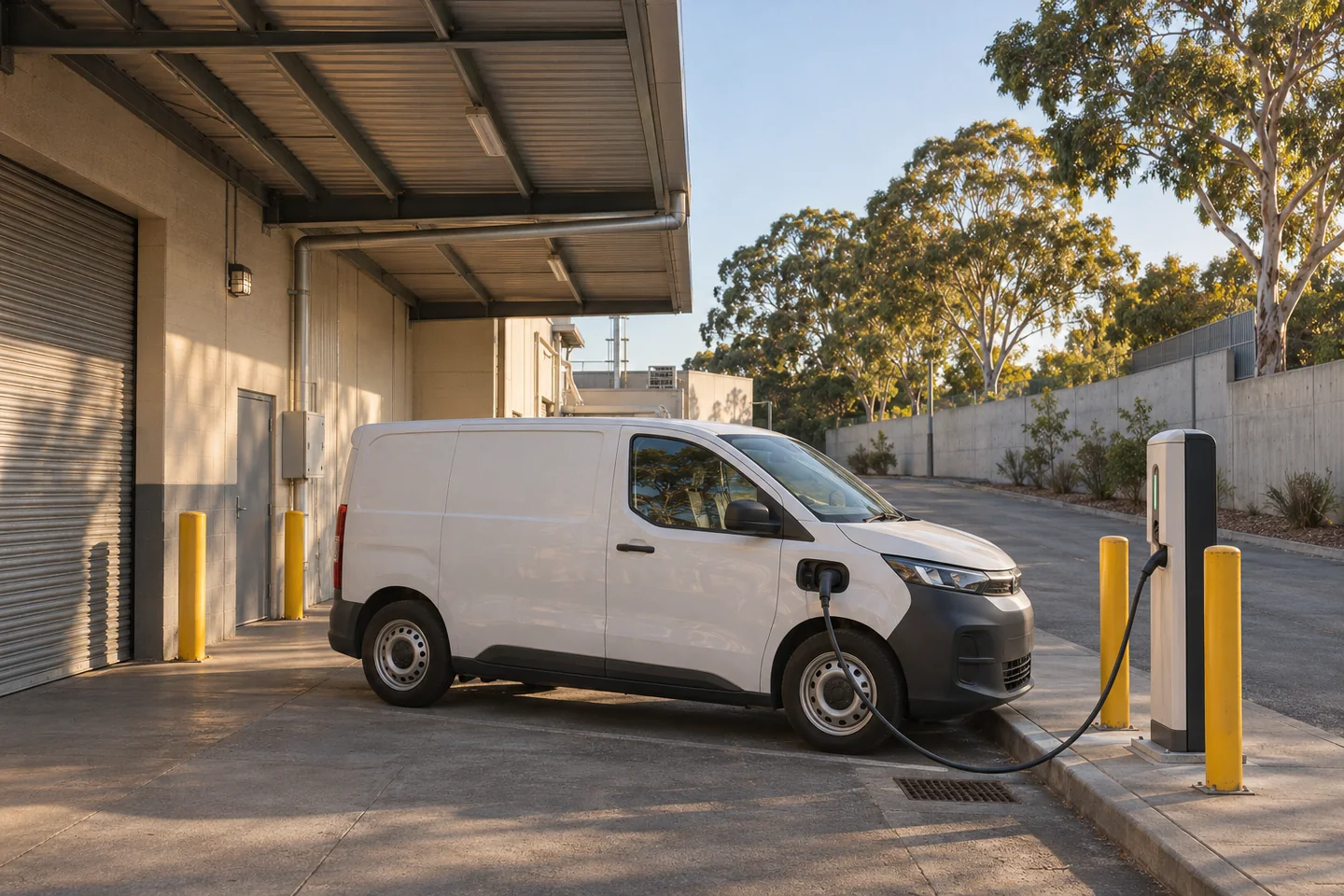
An electric delivery van at a charging point beside a shopping centre loading area.

A delivery van between routes

A vehicle’s return-to-depot window can be more predictable than customer parking.

Site assessment

Map arrival times, dispatch deadlines and the energy needed for the next route. Those records help assess the charger and the time available to use it.

How long does the van remain on site once unloading and dispatch movements are allowed for?

Related equipment

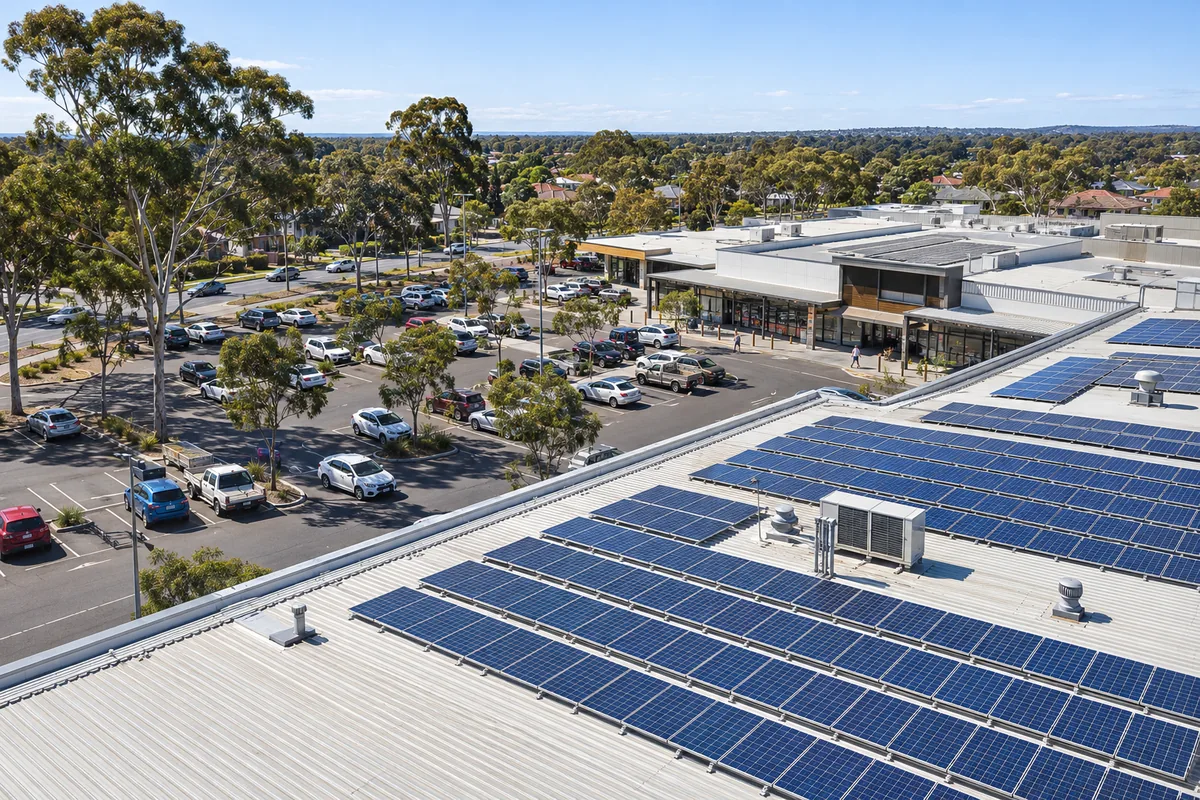
Aerial concept of solar modules above a suburban shopping centre and its car park.

Daytime loads on a retail roof

Refrigeration, ventilation and common-area lighting can run through trading hours. The centre may also have separately metered tenants.

Site assessment

One option is to size the rooftop array against the daytime loads that the proposed connection could actually serve. An inverter would convert the output for use on site.

Which meters serve the common areas, and how does a weekday compare with a weekend?

Related equipment

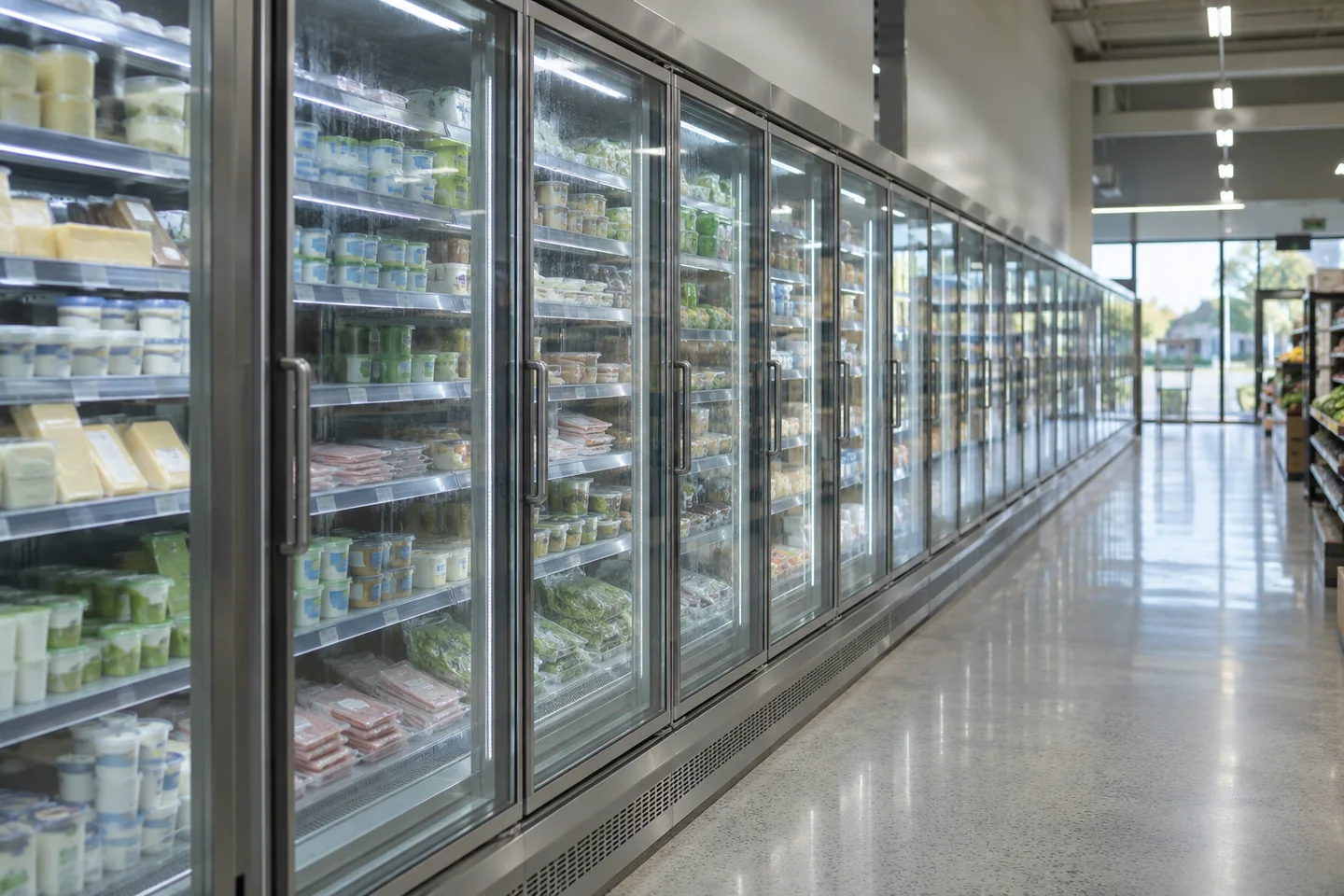
Glass-fronted refrigerated cabinets in a supermarket aisle.

Refrigeration through trading hours

Refrigerated displays continue to draw power between busy shopping periods and after customers leave.

Site assessment

Compare tenant refrigeration with common-area loads. Identify which meters the proposed solar connection could serve before using refrigeration in the energy estimate.

Is the supermarket’s refrigeration included in the centre’s meter data or recorded on a separate account?

Related equipment

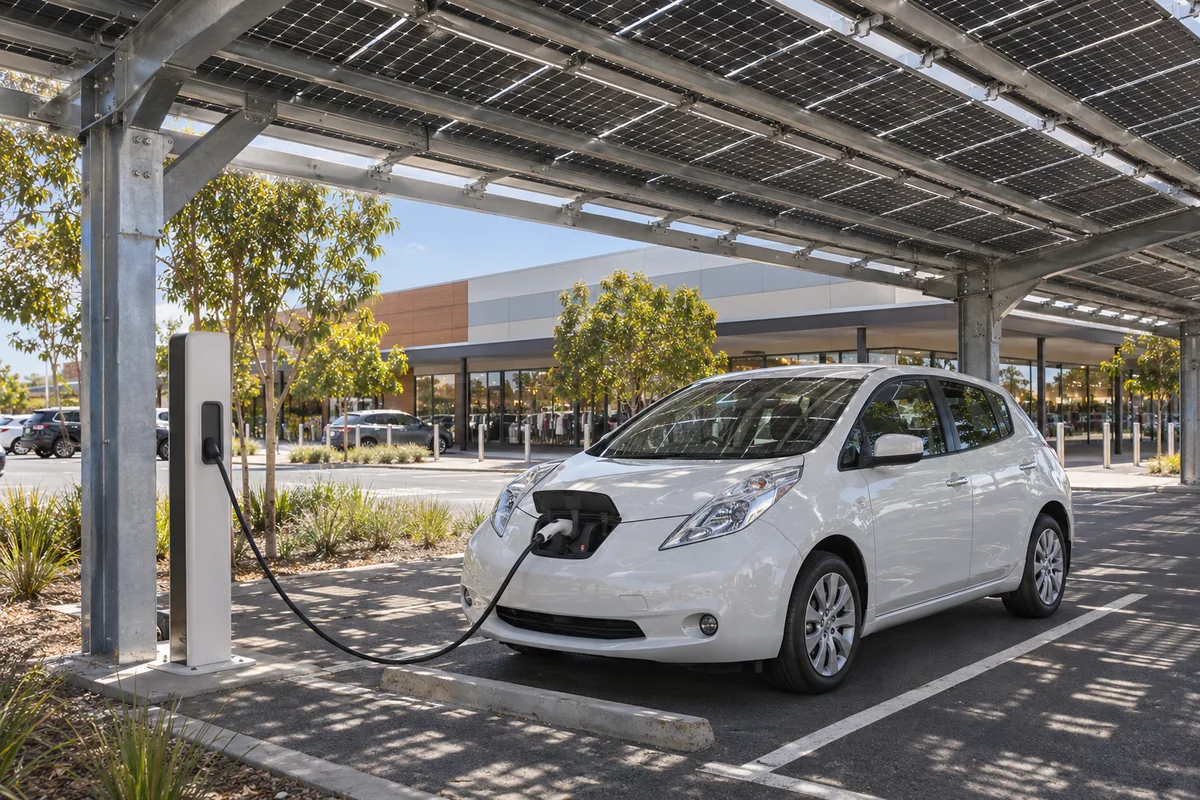
An electric vehicle at a charging bay under a solar parking canopy at a retail venue.

Charging during a shopping trip

A quick grocery visit and a half-day staff shift create different charging needs, even when the vehicles use the same car park.

Site assessment

A canopy could add a second solar collection area. A mix of destination bays and faster charging could be explored where the duration of real visits supports it.

How long do vehicles stay, and which parking row can accommodate charging without disrupting deliveries?

Related equipment

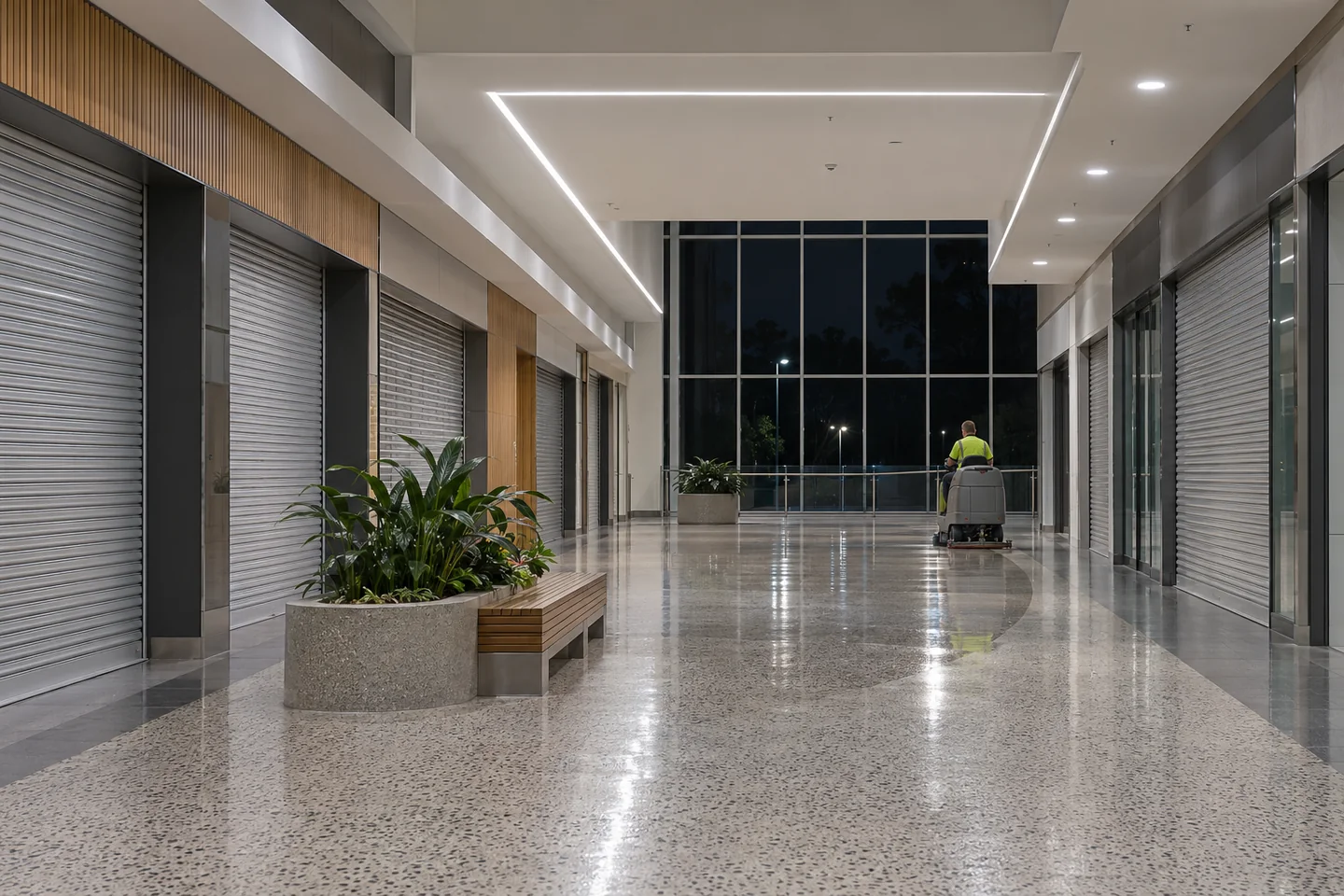
A lit shopping centre concourse being cleaned after trading hours.

The centre after closing

Cleaning, security and common-area lighting extend electricity use beyond the last customer visit.

Site assessment

Compare meter readings from closing time through to the overnight minimum. This separates the cleaning period from demand that remains until morning.

Which services switch off after cleaning, and which stay on throughout the night?

Related equipment

Six scenarios

Aged care facilities

Trace a working day from the first laundry cycle to the lighting and building services that continue overnight.

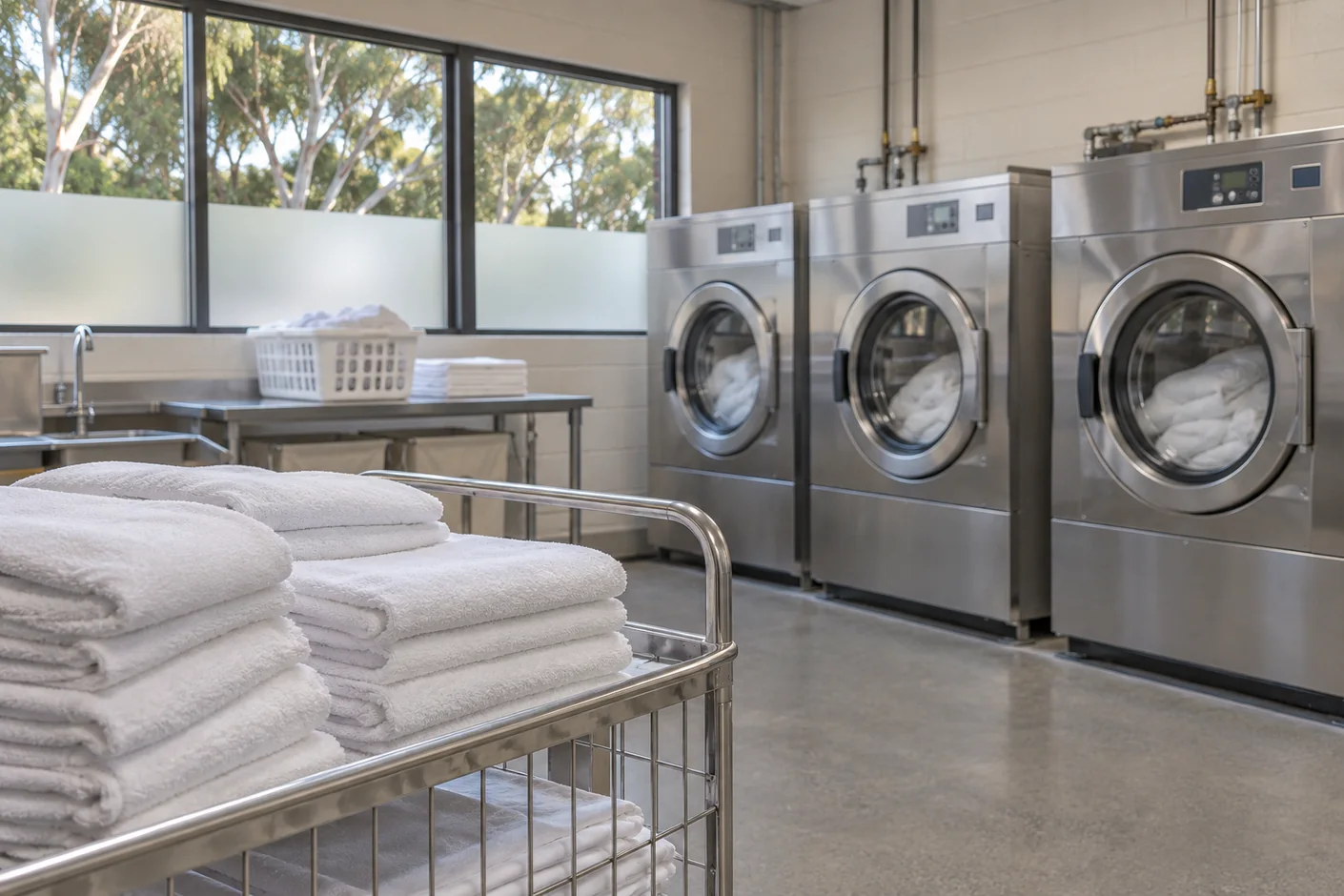
Commercial laundry equipment and linen trolleys in an aged care service area.

The morning laundry run

Wash and dry cycles can overlap with breakfast preparation, creating a short burst of demand at the start of a shift.

Site assessment

Compare the laundry roster and cycle timings with the facility meter. Any scope to move a batch into daylight hours depends on linen availability and care routines.

Which wash cycles have fixed turnaround times, and which can move within the shift?

Related equipment

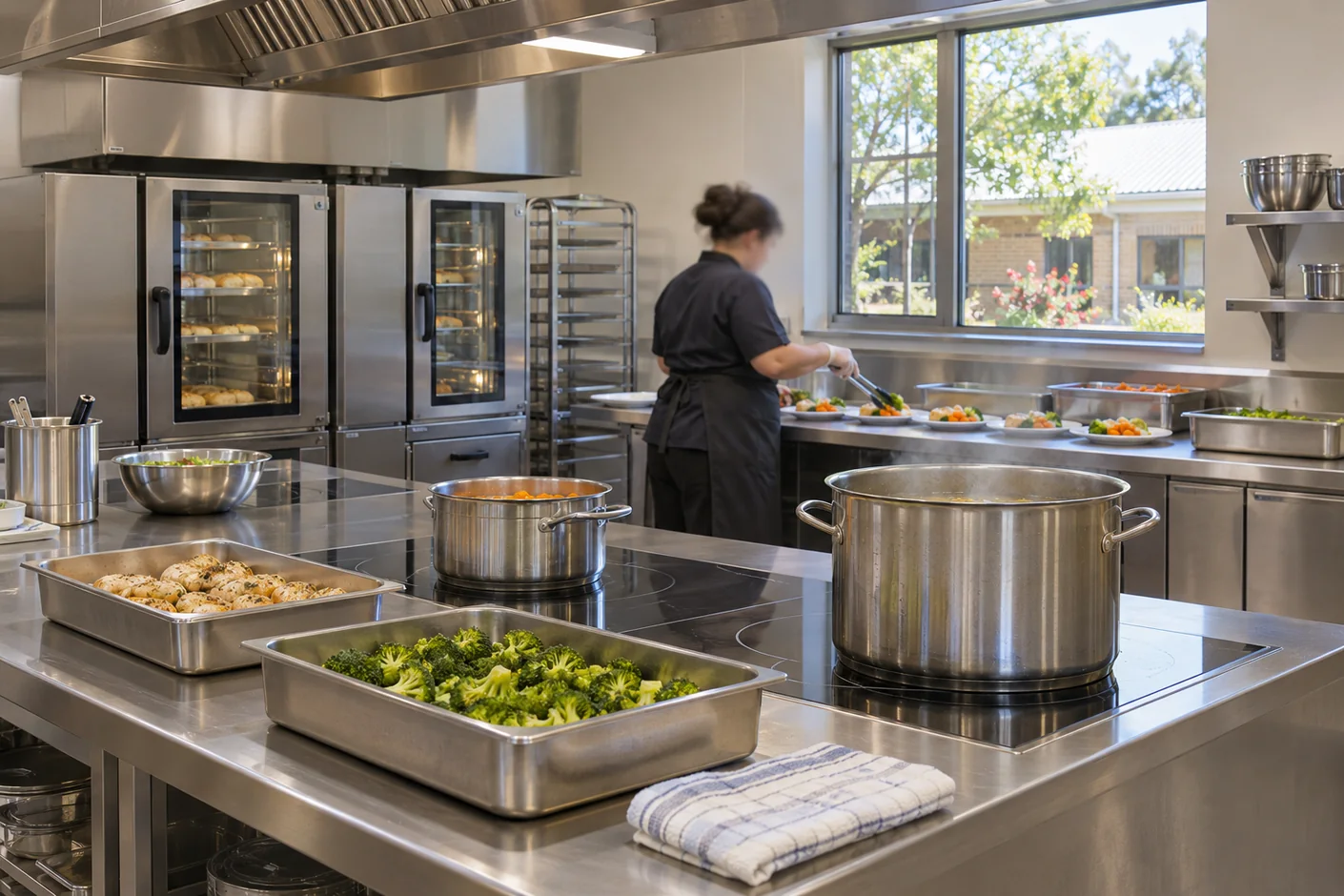
An institutional kitchen preparing lunch with commercial cooking equipment.

Preparing the midday meal

Cooking and extraction equipment can start well before meals reach the dining room.

Site assessment

Use the actual kitchen roster to identify when preparation, cooking and cleaning draw power. Compare this window with solar output and hot-water demand.

When do ovens and ventilation start relative to breakfast clean-up and lunch service?

Related equipment

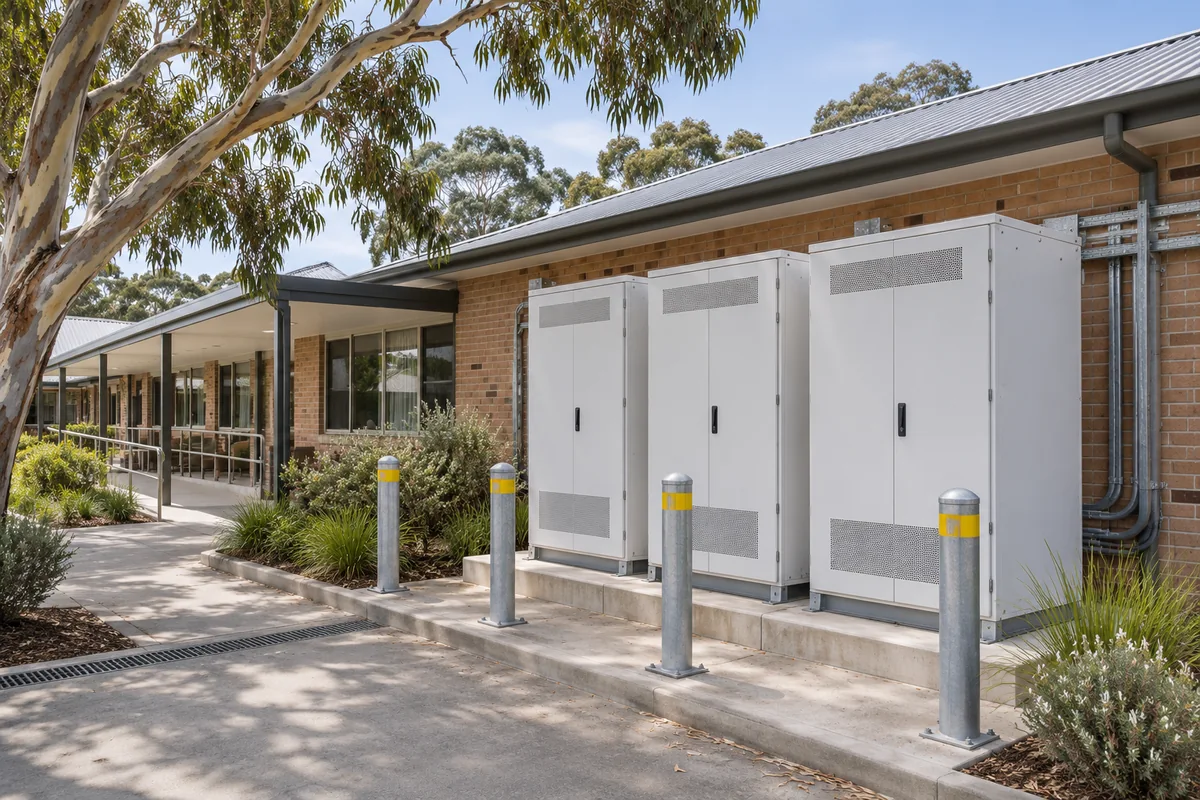
Outdoor battery cabinets in an aged care service courtyard separated from resident areas.

Storage beside the service courtyard

A care facility continues to use electricity after visiting hours. The afternoon-to-evening transition may be different from the overnight base load.

Site assessment

Surplus daytime generation could be stored for evening use. Any requirement to support essential services during an outage would need its own design assessment.

Which loads continue overnight, and what part of the service area could be reviewed for equipment access?

Related equipment

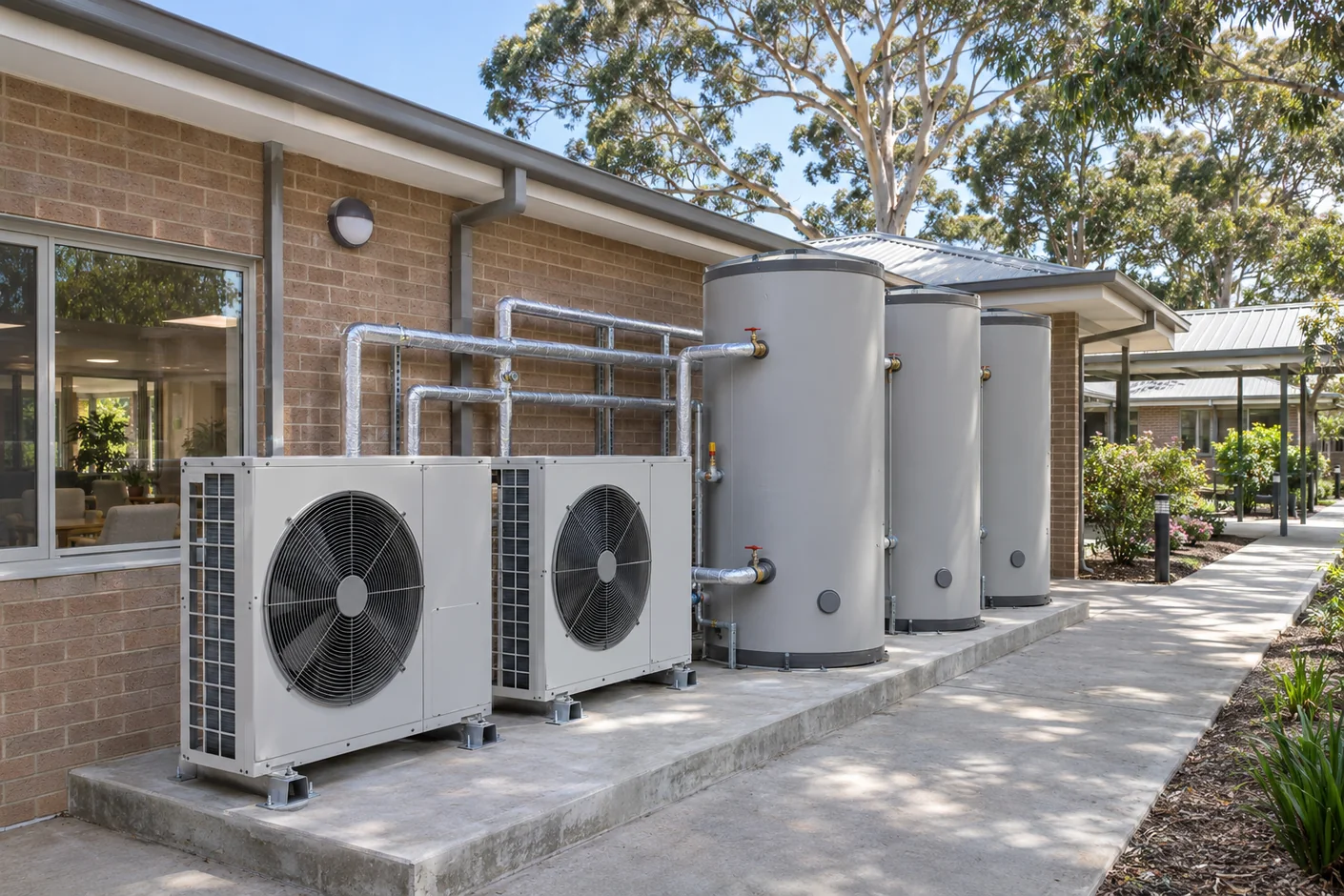
Heat-pump plant and hot-water storage tanks outside a low-rise care facility.

Hot water across a care shift

Bathing, laundry and meal service place different demands on the hot-water system over a day.

Site assessment

Review existing storage, hot-water use and plant run times before assessing whether some heating could coincide with solar generation. The care team would define service requirements.

When does hot-water recovery take place in relation to the facility’s highest electrical demand?

Related equipment

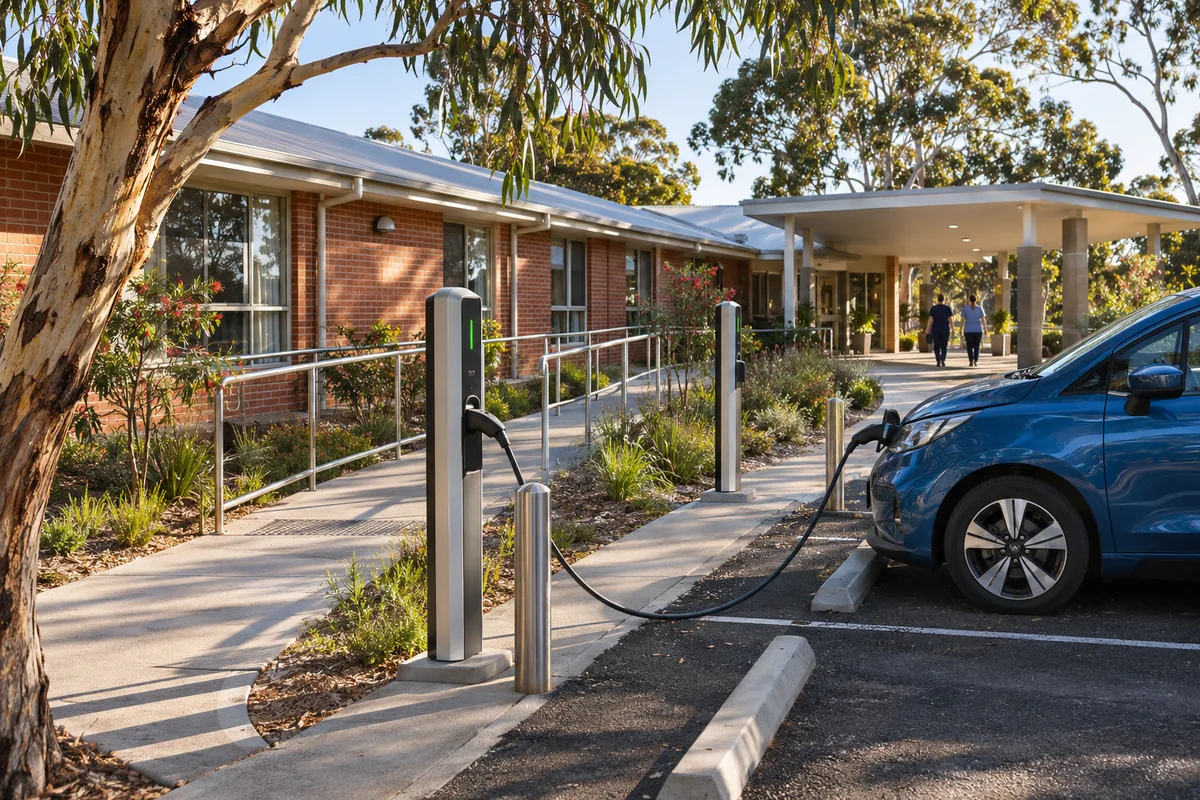
EV charging bays beside the path to a low-rise aged care venue.

Charging through a staff shift

A staff vehicle may stay in one bay for an entire shift. Visitors and pick-up vehicles usually follow a different pattern.

Site assessment

Staff bays could support destination charging over several hours. The layout would be assessed alongside pedestrian access, resident drop-off and changes of shift.

Which bays remain available across a shift, and when does the next group arrive?

Related equipment

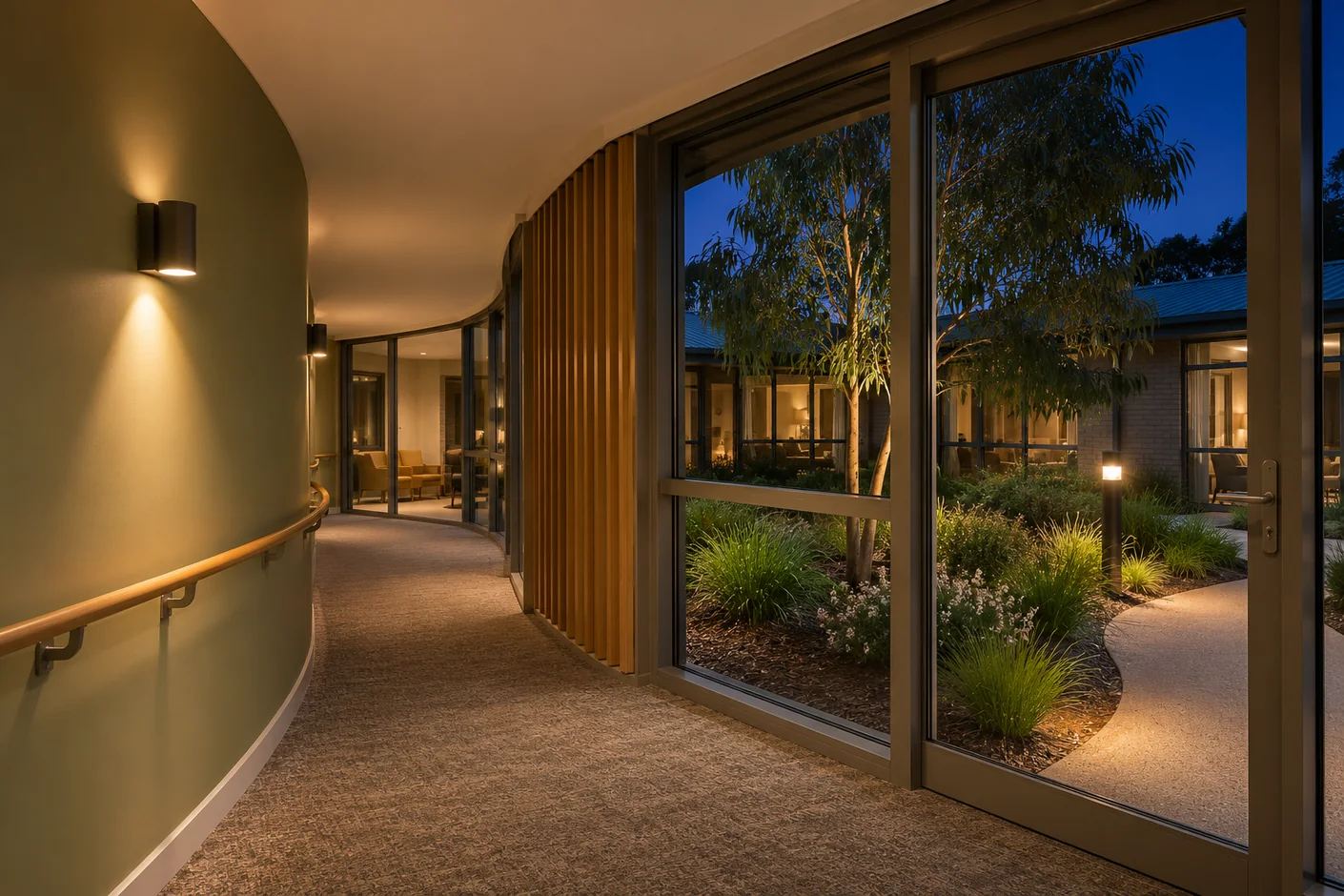
An illuminated aged care corridor looking onto a quiet courtyard at night.

Electricity through the night

Lighting and building services continue overnight, after the daytime solar window has closed.

Site assessment

Use overnight meter readings to establish the continuing demand. Record any essential-service requirements separately when considering storage.

Which circuits run throughout the night, and which require a separately specified backup supply?

Related equipment

Six scenarios

Clubs and sports grounds

Club energy use follows fixtures, training and functions. A quiet weekday and a competition evening can look very different.

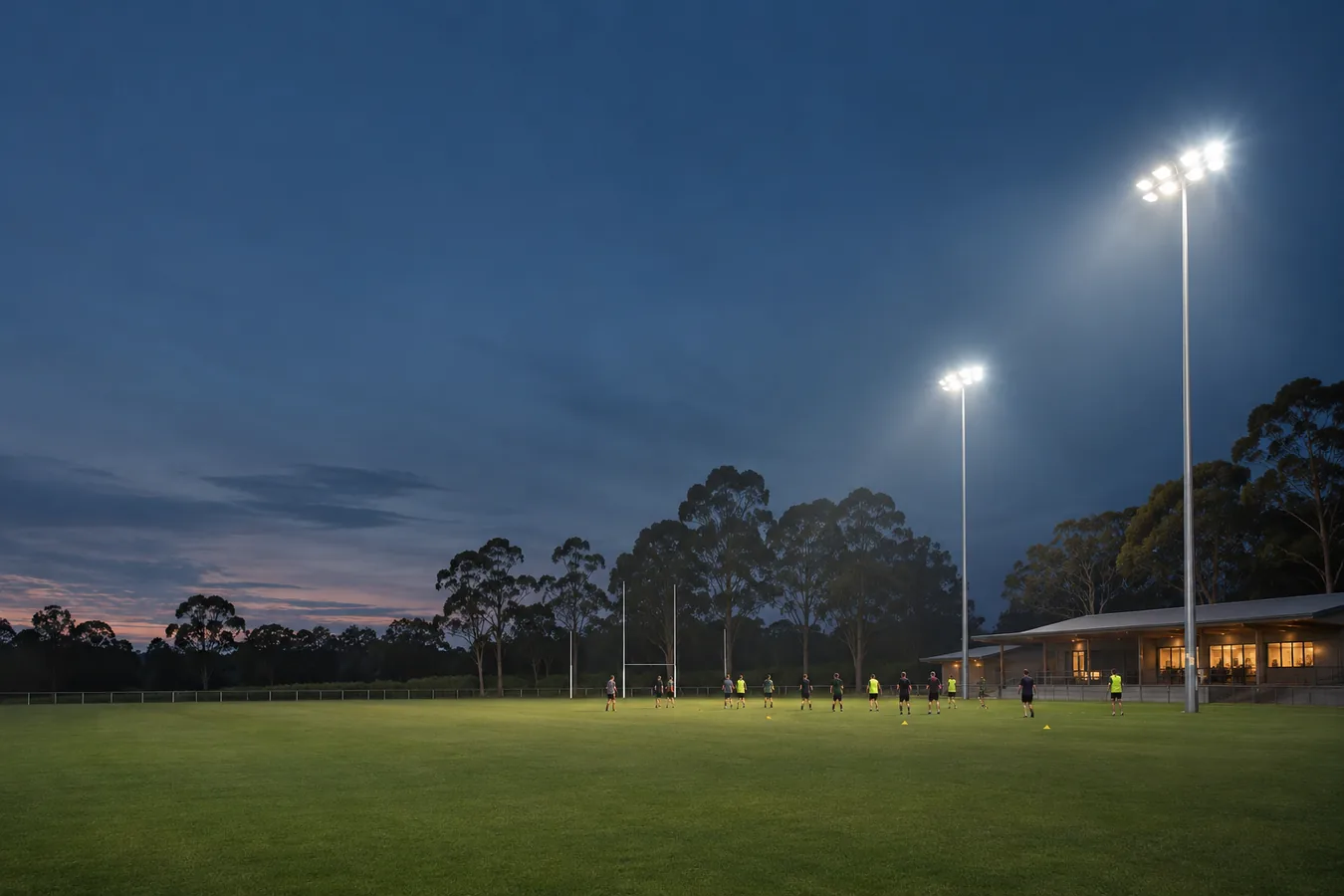
A community football pitch lit by floodlights for an evening training session.

Floodlights after dusk

Pitch lighting can start as teams arrive for training, just as rooftop solar output falls away.

Site assessment

Compare the lighting schedule with half-hourly or other available interval data from training nights. Check whether heating, catering and changing rooms peak at the same time.

For how long does the evening peak persist after the floodlights switch on?

Related equipment

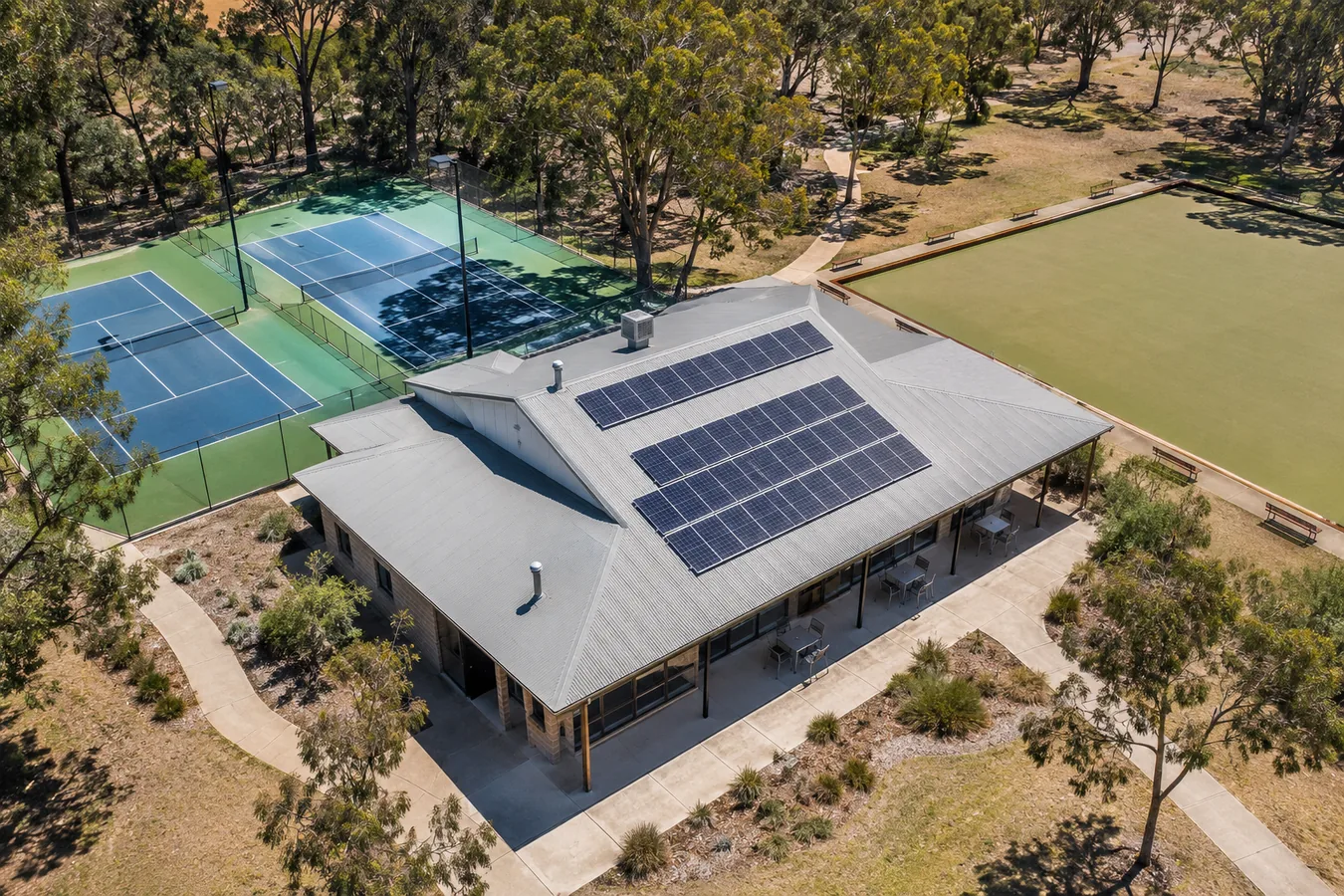
A rooftop photovoltaic array on a clubhouse beside outdoor sports facilities.

Solar over the clubhouse

A roof can generate most of its solar electricity while courts and club rooms are lightly occupied.

Site assessment

Compare ordinary weekdays with competition days before estimating how much generation could be used on site or shifted into evening activities.

How much daylight use remains during the club’s quieter season?

Related equipment

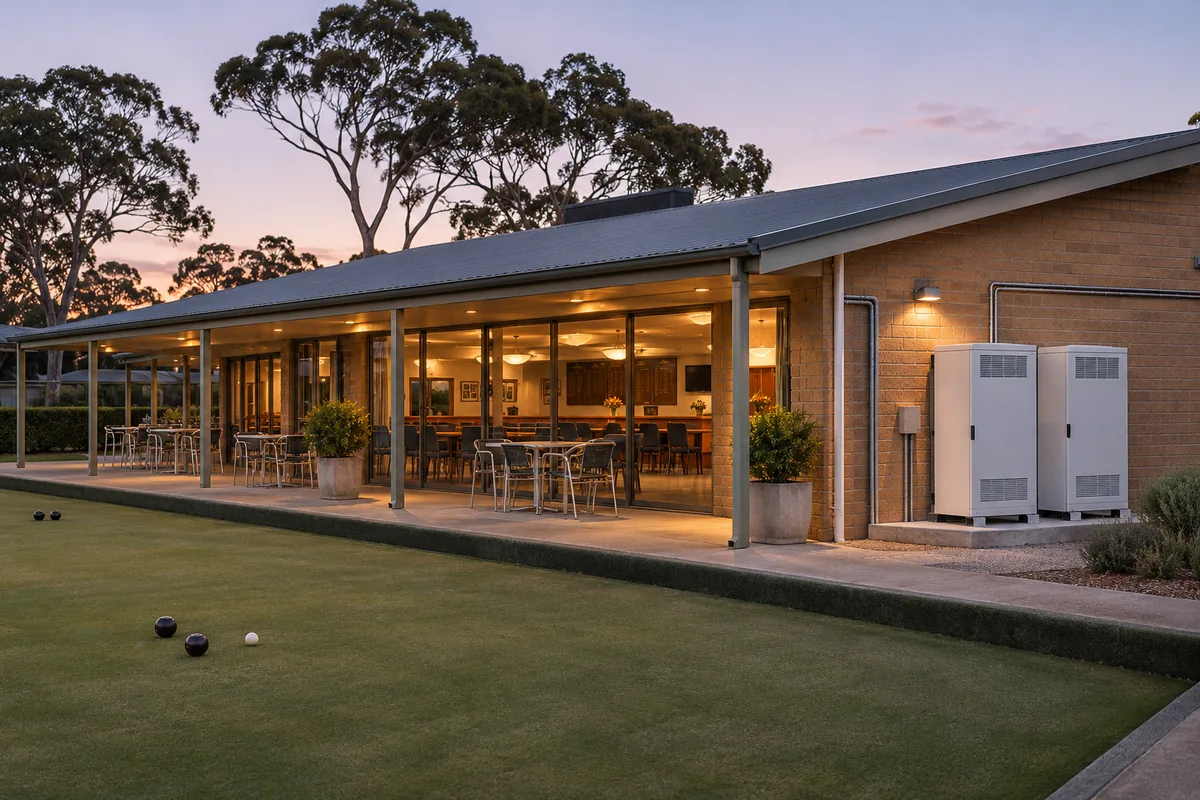
An illuminated Australian clubhouse and its service-side battery installation at twilight.

From afternoon sun to an evening function

The busiest period may begin as solar generation falls. Lighting, catering and heating or cooling can overlap once a function is under way.

Site assessment

A battery could shift part of the earlier generation into an evening event. Its operating window would be compared with actual event length and demand.

How does a function evening compare with an ordinary weekday across the same hours?

Related equipment

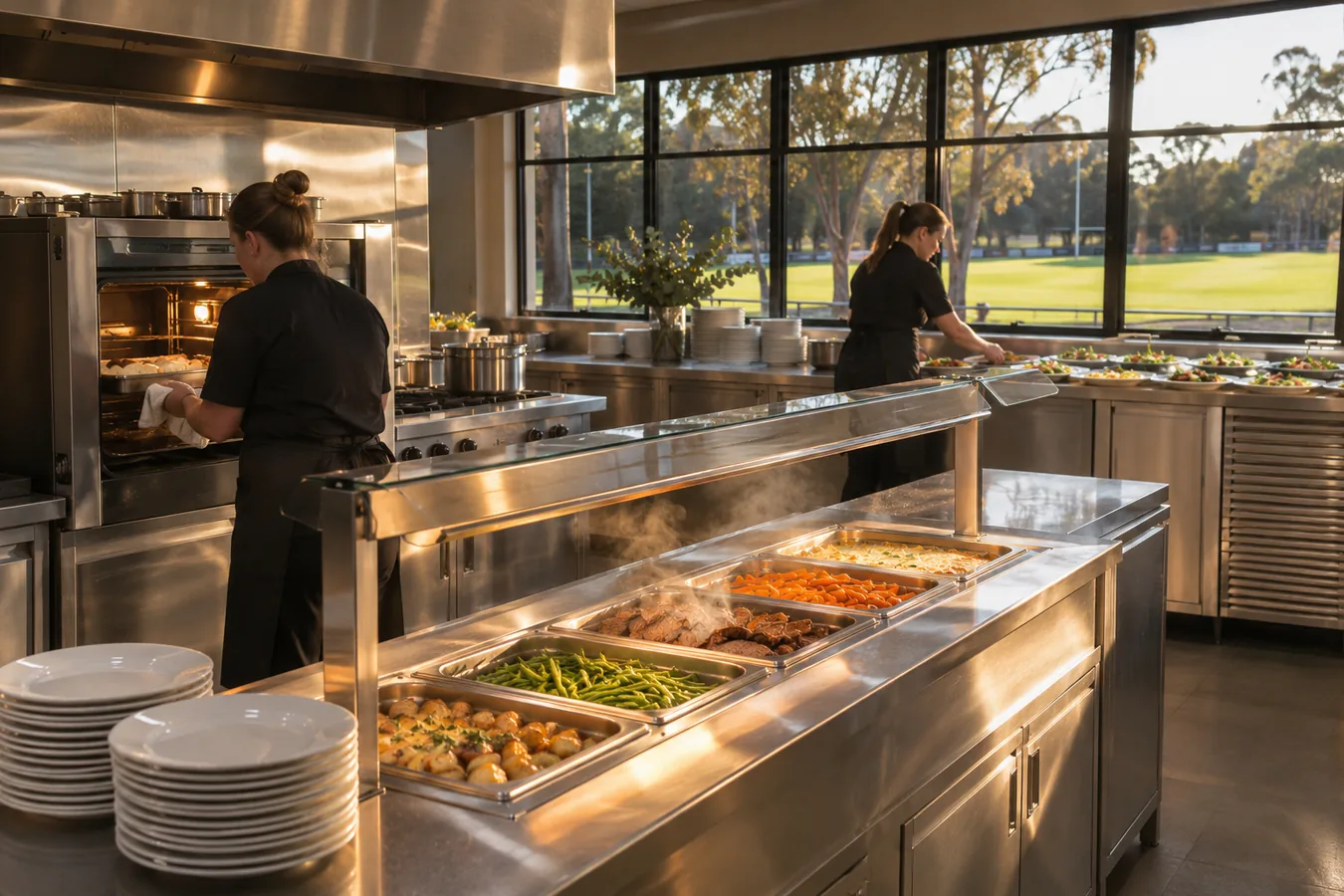
A sports club kitchen and servery looking out to a playing field.

Serving a function after play

A booked function changes the timing of cooking, refrigeration and ventilation compared with a quiet club day.

Site assessment

Match the function diary to the meter records so ordinary trading and catered events can be assessed separately.

Does the function kitchen reach its peak before or during the club’s other evening activities?

Related equipment

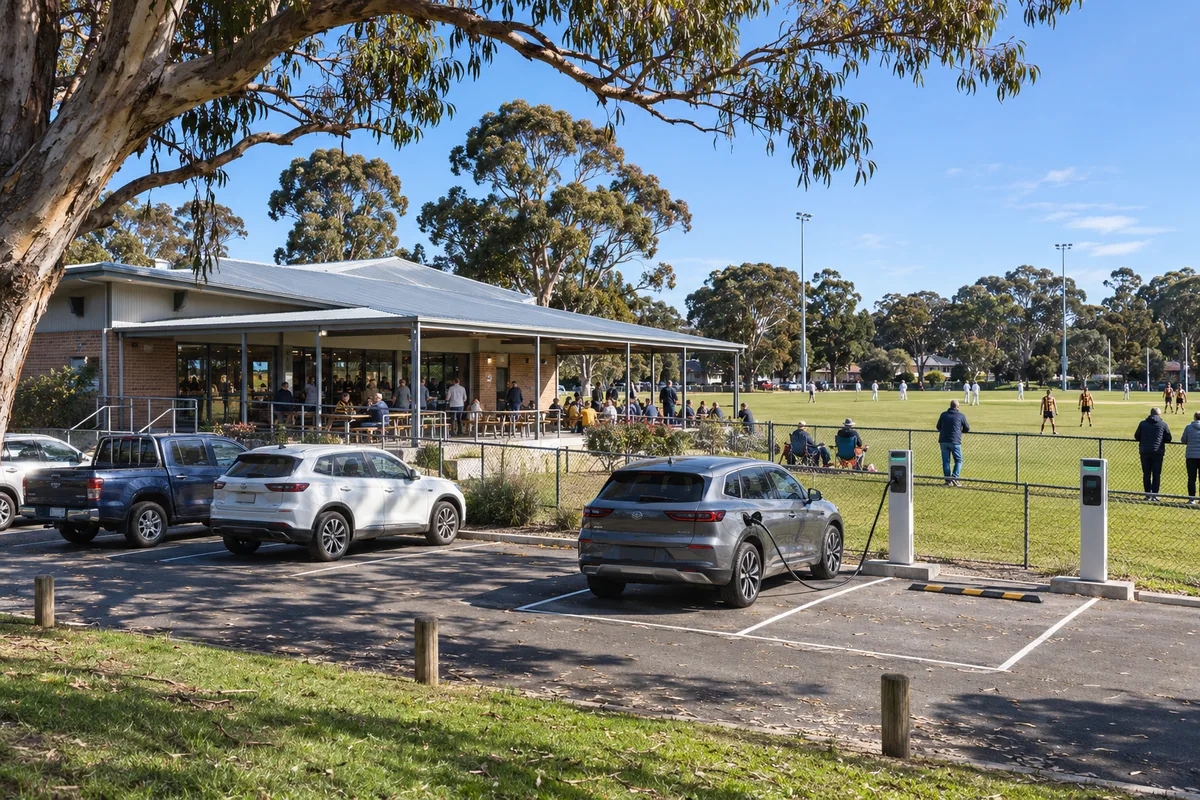
Charging bays in the car park of an Australian community sports club.

Charging beside the sports ground

Members may stay for a full game while spectators and volunteers arrive in waves around a fixture.

Site assessment

Destination charging could suit vehicles parked through an event. Meter data and arrival counts would help determine how many sessions might overlap with clubhouse demand.

How many vehicles arrive before a fixture, and when do they leave relative to the clubhouse peak?

Related equipment

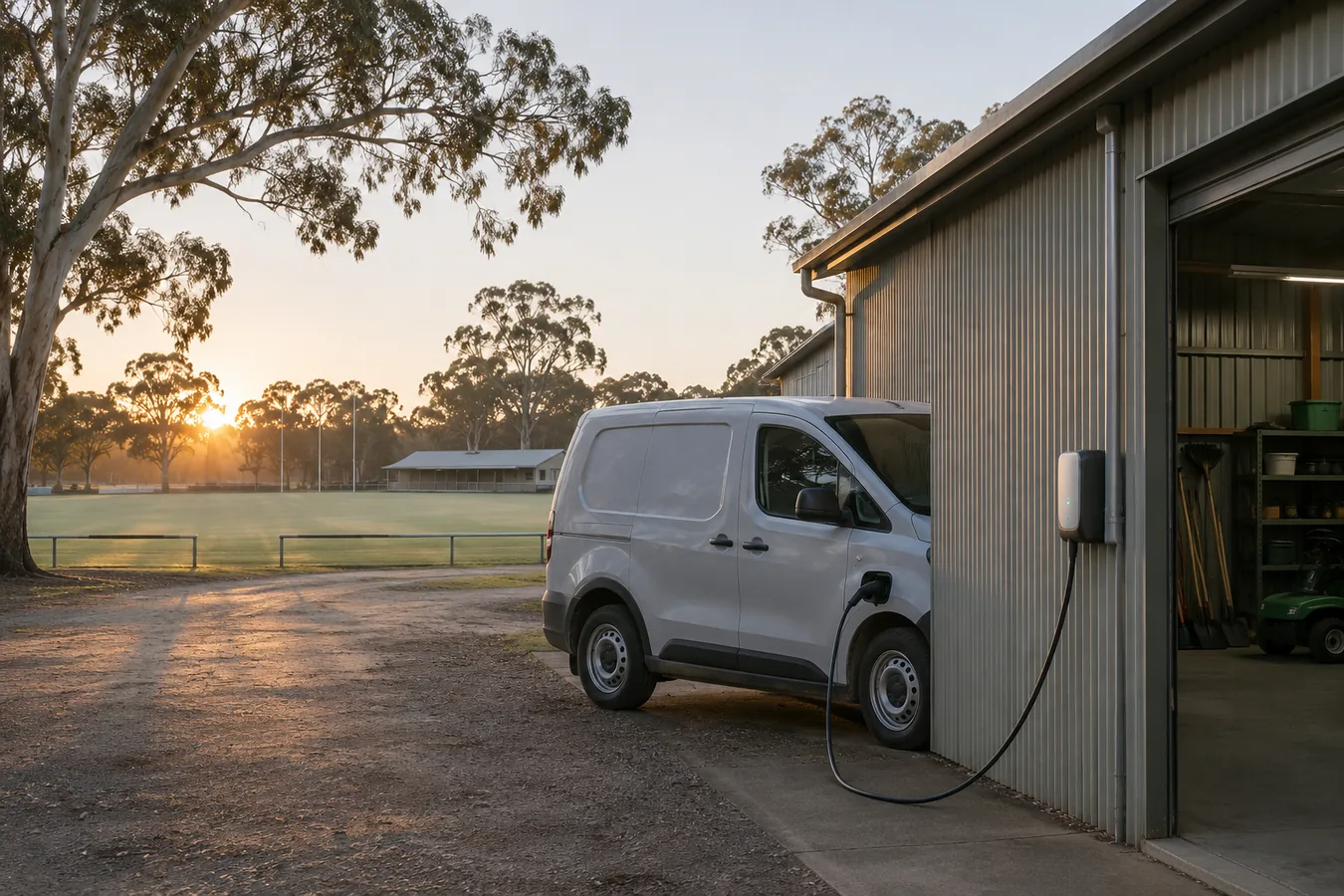
A grounds-maintenance van at a charging point outside a sports club service building.

Charging the grounds vehicle

A club vehicle may return to its shed between maintenance rounds, independently of member and visitor parking.

Site assessment

Review the vehicle log alongside charging demand in public bays. A dedicated service bay could give the operator a predictable charging window.

When is the van parked at the shed, and how much driving is required before it returns?

Related equipment